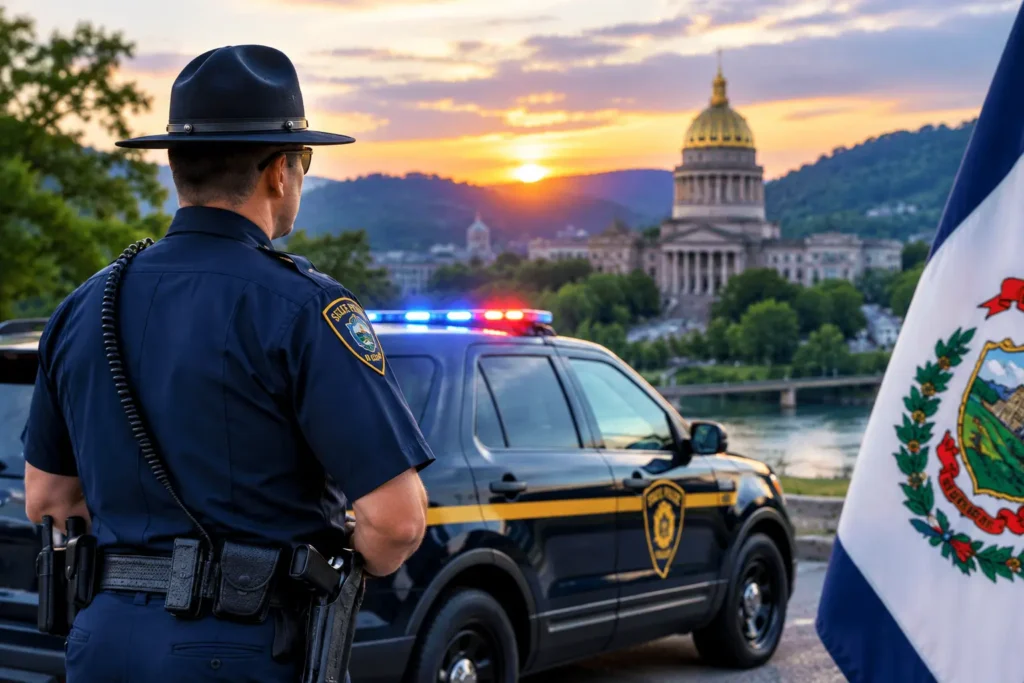
State police play an important role in public safety across the United States. Their duties include enforcing state laws, patrolling highways, investigating crimes, and assisting local law enforcement agencies.
People often search for state police to find nearby stations, contact numbers, job opportunities, qualifications, and the latest department news. This guide covers these topics and explains how state policing works.
Latest State Police News and Updates
State police news often includes recruitment announcements, major investigations, highway safety campaigns, and changes in department policies.
For example, the Pennsylvania State Police announced a new trooper selection cycle on October 1, 2026, with funding for additional cadet classes. Interested applicants should check the official Pennsylvania State Police website for current recruitment information.
For reliable updates, follow official state police newsrooms and verify the publication date. Arrests and allegations should not be presented as proof of guilt.
What Do State Police Do?
State police agencies perform several public safety duties, including:
- Highway patrol: Enforcing traffic laws, investigating crashes, and helping stranded motorists.
- Criminal investigations: Investigating serious crimes and supporting complex cases.
- Emergency response: Assisting during accidents, disasters, and other emergencies.
- Local police support: Providing specialized resources and investigative assistance when needed.
Responsibilities differ by state and agency.
ARTICAL:Louise Lucas: FBI Search, Charges and Latest News
What Is State Policing?
State policing refers to law enforcement activities carried out by agencies operating at the state level. These agencies generally serve wider areas than municipal police departments.
Some state police agencies focus on highway patrol, while others also handle major criminal investigations and specialized law enforcement services.
State Police Department and Headquarters
A state police department manages officers, investigations, recruitment, training, records, and public safety operations.
Its headquarters usually handles central administration, while regional offices, stations, posts, or barracks provide services in different locations.
Before visiting an office, check its official website for the correct address, opening hours, and available services.
Delaware State Police
The Delaware State Police provides statewide law enforcement services, including traffic enforcement, criminal investigations, and public safety assistance.
Its official website provides department information, contact details, troop locations, and recruitment resources.
Visit Delaware State Police for verified information about its services and offices.
State Police Phone Number
There is no single non-emergency phone number for every state police agency in the United States.
- Emergencies: Call 911 for immediate police, fire, or medical assistance.
- Non-emergency matters: Use the appropriate agency’s official telephone number.
- Police reports: Follow the department’s records request process.
- Recruitment: Contact the agency’s hiring or recruitment office.
Always verify phone numbers through official government websites.
State Police Near Me
To find state police near you, visit your state’s official police or highway patrol website and look for its locations directory.
Search by city, county, or ZIP code if the website supports it. Confirm the office address and services before visiting.
State Troopers Near Me
State troopers are sworn officers who may patrol highways, respond to incidents, investigate crimes, and assist other law enforcement agencies. A nearby station does not necessarily indicate an individual trooper’s current location.
State Police Barracks Near Me
Some states use the term barracks for facilities supporting police operations. Other agencies use names such as posts, stations, or troop locations. Contact the facility before visiting to confirm its public services.
State Police Jobs and Qualifications
State police jobs offer opportunities in patrol, investigations, traffic safety, and specialized services. Departments may also hire civilian employees for administration, communications, technology, and forensic support.
State Police Qualifications
Common requirements for state trooper applicants may include:
- Meeting the department’s age and legal eligibility requirements.
- Having the required education and a valid driver’s license, where applicable.
- Passing written tests and physical fitness assessments when required.
- Completing medical evaluations and background checks.
- Successfully finishing police academy training.
Requirements vary by state. Applicants should check the official recruitment website for current eligibility rules and deadlines.
State Trooper Salary and Training
State trooper salaries depend on location, experience, rank, and employment agreements. Benefits may include health insurance, retirement plans, paid leave, and additional compensation for certain assignments.
Training commonly covers criminal law, traffic enforcement, emergency response, communication, and professional conduct. Check official state pay schedules and recruitment notices for accurate details.
How Many Police Officers Are in the United States?
The answer depends on which occupations and agencies are included.
The U.S. Bureau of Labor Statistics reported approximately 693,200 police and sheriff’s patrol officers employed in the United States in 2025. This figure covers a specific occupational category rather than every law enforcement employee.
The FBI also publishes annual law enforcement employment data that distinguishes sworn officers from civilian personnel. These datasets use different coverage and counting methods, so their figures should not be treated as interchangeable.
Sources: Bureau of Labor Statistics and FBI Law Enforcement Employee Counts.
What Is a Police State?
A police state is a political system in which government authorities exercise extensive control through policing, surveillance, or coercive enforcement, often with limited protection for civil liberties.
This is different from state police. State police are law enforcement agencies, while a police state describes a form of government. Having a state police department does not automatically make a state or country a police state.
Frequently Asked Questions About State Police
Can state police enforce laws throughout their state?
Generally, state police have authority across broad areas of their state, but their exact powers depend on state law.
Are state troopers different from local police officers?
State troopers work for state-level law enforcement agencies, while local police officers usually serve a city or municipality. Their duties may overlap.
Can I request a state police report online?
Some agencies provide online requests for crash reports and other records. Check the official department website for eligibility, fees, and instructions.
Where can I apply for state police jobs?
Visit the relevant state police recruitment website to find openings, qualifications, application deadlines, and training requirements.
Are state police and highway patrol the same?
Not always. Some states combine highway patrol and broader police duties in one agency, while others operate separate organizations.
Final Thoughts
State police help maintain public safety through traffic enforcement, criminal investigations, emergency response, and cooperation with local agencies. Their responsibilities, contact procedures, and recruitment requirements vary by state.
For accurate information about state police headquarters, phone numbers, nearby barracks, jobs, and current news, consult the official website of the relevant agency and verify time-sensitive details before publishing.