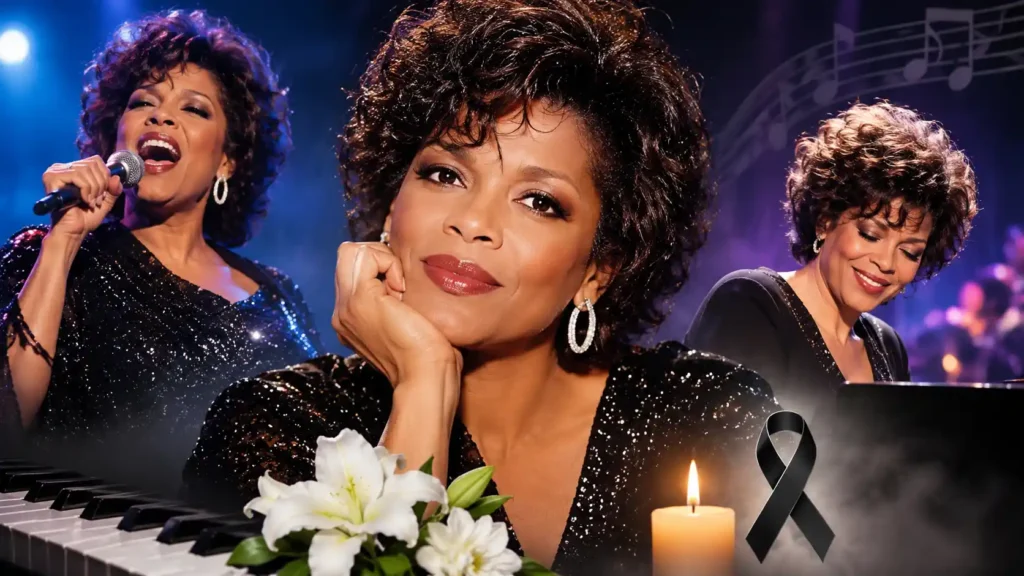
Rochelle Fleming was an American soul and disco singer best known as the powerful lead vocalist of First Choice, one of the influential female vocal groups to emerge from Philadelphia during the 1970s. Her expressive voice helped shape the sound of Philadelphia soul and disco, while recordings such as “Armed and Extremely Dangerous,” “The Player (Part 1),” “Doctor Love,” and “Let No Man Put Asunder” became lasting favourites among music fans.
Although First Choice achieved its greatest commercial success during the disco era, Fleming’s influence continued long after the group stopped recording together. Her distinctive vocals attracted generations of DJs, producers, and singers, particularly within the developing house music scene. Her music also reached newer audiences through covers, remixes, and samples.
In November 2026, news of Rochelle Fleming’s death brought renewed attention to her life and achievements. She died at the age of 72 in Philadelphia, leaving behind a musical catalogue that continues to connect soul, disco, and modern dance music.
This article explores Rochelle Fleming’s early life, journey with First Choice, most popular songs, solo career, personal background, death, and lasting contribution to the music industry.
Who Was Rochelle Fleming?
Rochelle Fleming was a Philadelphia-born American singer who became widely recognized as the lead vocalist of First Choice. The group gained popularity during the 1970s through its combination of soulful female vocals, energetic performances, and dance-oriented production.
Fleming stood out because of her powerful singing style. She could deliver emotional soul performances while maintaining the energy required for disco records. Her voice became one of the defining elements of First Choice’s musical identity.
The singer worked with important figures in Philadelphia’s music industry, including producer Norman Harris and songwriter Allan Felder. These collaborations helped the group develop a distinctive sound that attracted listeners in the United States and internationally.
Her career was closely connected to the development of Philadelphia soul, but her influence eventually extended into disco, house music, and contemporary dance productions.
ARTICAL: NVDA Stock Price: Latest Updates, AI Growth, Earnings and Future Outlook
Rochelle Fleming’s Early Life and Musical Background
Rochelle Fleming grew up in Philadelphia, Pennsylvania, a city known for its contribution to American soul and R&B music.
Her interest in singing developed during her school years. She attended Overbrook High School, where she connected with other students who shared her passion for music. Among those early musical connections were Annette Guest and Wardell Piper.
The young performers began singing together and participated in local musical activities. Their early group was known as the Debonettes before they eventually developed into First Choice.
Philadelphia offered an important environment for aspiring singers during this period. The city’s recording studios, radio stations, producers, and live performance venues helped create opportunities for emerging musical talent.
Fleming’s early experiences prepared her for a professional career and introduced her to the musical relationships that would eventually lead to First Choice’s success.
How First Choice Became a Successful Music Group
First Choice began its musical journey in Philadelphia around 1971. The group developed from the earlier Debonettes lineup and became known for its distinctive female vocals and soul-inspired arrangements.
Rochelle Fleming was the group’s central lead vocalist, while Annette Guest and Wardell Piper were among its important early members.
A significant turning point came through local radio personality Georgie Woods, who helped connect the singers with producer Norman Harris and songwriter Allan Felder. Their professional relationships opened the door to recording opportunities and helped First Choice enter the Philadelphia music scene.
The group eventually attracted attention from record companies and began releasing songs that received recognition on American R&B and pop charts.
Its breakthrough came in 1973 with “Armed and Extremely Dangerous.” The recording introduced First Choice to a much wider audience and established Fleming as a recognizable voice in soul and disco music.
The group’s success continued with songs such as “Smarty Pants,” “The Player (Part 1),” and “Guilty.” These releases strengthened its position within the Philadelphia soul movement.
Rochelle Fleming’s Most Famous Songs With First Choice
First Choice created several memorable recordings during its career. Rochelle Fleming’s lead vocals helped give these songs their distinctive character, allowing them to remain popular beyond their original release periods.
Armed and Extremely Dangerous
“Armed and Extremely Dangerous” was one of First Choice’s biggest breakthrough recordings. Released in 1973, the Song combined energetic instrumentation with Fleming’s expressive vocal performance.
It reached No. 11 on the US Billboard R&B chart and No. 28 on the Billboard Hot 100. These chart positions helped establish First Choice as an emerging force in American soul music.
The Song remains one of the most recognizable recordings associated with Rochelle Fleming.
Smarty Pants
“Smarty Pants” was another important First Choice release from the group’s early period.
The Song featured the group’s characteristic vocal arrangements and an energetic soul sound. It helped maintain the group’s popularity following its initial breakthrough.
For listeners exploring classic Philadelphia soul, this recording remains an important part of First Choice’s catalogue.
The Player (Part 1)
“The Player (Part 1)” became another major success for the group in 1974.
The recording demonstrated First Choice’s ability to combine strong vocals with dance-friendly production. It performed particularly well on the R&B chart and strengthened the group’s reputation during the decade.
Its popularity also helped establish First Choice as more than a one-hit act.
Doctor Love
“Doctor Love” represented the group’s growing connection with the disco movement.
Released during the 1970s, the Song featured an upbeat arrangement and memorable vocal delivery. It became one of First Choice’s recognizable dance recordings and appeared on the group’s 1977 album, Delusions.
The Song continues to attract listeners interested in classic disco and Philadelphia dance music.
Let No Man Put Asunder
“Let No Man Put Asunder” is arguably one of the most influential recordings connected to Rochelle Fleming.
Originally featured on the 1977 album Delusions, the Song developed a particularly strong reputation among DJs and dance music producers.
Its memorable vocals and musical arrangement helped it become an important recording in the development of house music. The Song received renewed attention through remixes, club performances, and later interpretations.
Mary J. Blige also recorded a version for her 1999 album Mary, introducing the composition to another generation of R&B listeners.
Love Thang and Double Cross
“Love Thang” and “Double Cross” further demonstrated First Choice’s influence during the late 1970s.
Both recordings reflected the group’s evolving disco sound and helped maintain its popularity among dance music audiences.
These songs also contributed to the group’s long-term reputation within club culture, where classic disco recordings continued to inspire later productions.
The Role of Philadelphia Soul in Rochelle Fleming’s Career
Philadelphia soul played an important role in shaping Rochelle Fleming’s musical identity.
The style became famous for its sophisticated arrangements, orchestral instrumentation, rhythmic bass lines, and smooth vocal performances. It helped establish Philadelphia as one of America’s major centres for soul music during the 1970s.
First Choice became part of this musical environment through its recordings and collaborations with local producers.
Working with Norman Harris helped the group connect with the wider Philadelphia recording scene. Its music reflected the period’s combination of traditional soul influences and the increasingly popular disco sound.
Fleming’s vocal style was especially important because it brought emotion and personality to the group’s dance-oriented recordings.
Her performances helped First Choice stand alongside other influential Philadelphia acts and contributed to the wider popularity of female-led soul and disco groups.
Why the Album Delusions Remains Important
Released in 1977, Delusions is one of the most important albums in First Choice’s recording history.
The album included songs such as “Doctor Love” and “Let No Man Put Asunder,” both of which became significant parts of the group’s musical legacy.
It reflected the growing popularity of disco and demonstrated how First Choice could combine soulful singing with arrangements designed for dance floors.
The project also became important in retrospect because of the influence that “Let No Man Put Asunder” later had on house music.
For people discovering Rochelle Fleming’s work today, Delusions provides an excellent introduction to her vocal style and First Choice’s contribution to 1970s dance music.
What Happened to Rochelle Fleming After First Choice?
First Choice’s original run came to an end around 1980, but Rochelle Fleming continued pursuing musical opportunities.
Rather than leaving the music industry, she explored solo recordings and projects connected to club and dance music.
Her solo-related releases included “Love Itch,” “Danger!” and “Suffer the Consequences.” These recordings allowed her to continue working with producers and audiences beyond the original First Choice lineup.
During the 1980s, Fleming also became involved in a renewed version of First Choice. In 1987, the group connection led to the release of “Love Itch” through Prelude Records.
Her later work demonstrated that she remained connected to the dance music community even as the popularity of traditional disco changed.
The singer’s catalogue continued to receive attention through remixes and reissues, helping her reach listeners who had not experienced the original 1970s disco era.
Rochelle Fleming’s Influence on House Music and Modern Dance
One of the most interesting parts of Rochelle Fleming’s legacy is the connection between her music and the development of house music.
During the 1980s, DJs and producers began experimenting with elements of disco, soul, electronic rhythms, and extended instrumental arrangements. Older disco recordings became an important source of inspiration.
First Choice’s “Let No Man Put Asunder” became especially popular in this environment.
Its vocal elements and musical structure made it suitable for remixing and reinterpretation. The recording became a favourite among club audiences and helped connect the original Philadelphia disco sound with the emerging house music movement.
Her music also continued to find new audiences through sampling and modern dance productions.
For example, Kaytranada sampled First Choice’s “Love Thang” on “10%,” his collaboration with Kali Uchis. The Song won the Grammy Award for Best Dance Recording in 2021.
This connection demonstrates how recordings associated with Fleming continued to influence music decades after their original release.
Her legacy therefore reaches beyond the disco era and remains connected to modern electronic, R&B, and club music.
Did Rochelle Fleming Have a Solo Music Career?
Yes. Although she is primarily remembered for First Choice, Fleming also developed a solo career.
Her solo work included recordings designed for dance and club audiences. Songs such as “Love Itch” and “Danger!” helped maintain her presence within the music industry.
She also continued collaborating with producers and contributing vocals to projects associated with different musical styles.
Her solo career did not replace the importance of First Choice in her biography. Instead, it demonstrated her ability to continue performing and recording as musical trends changed.
For fans interested in exploring her complete work, listening to both First Choice recordings and her later solo releases offers a broader understanding of her career.
Rochelle Fleming’s Personal Life, Family and Relationships
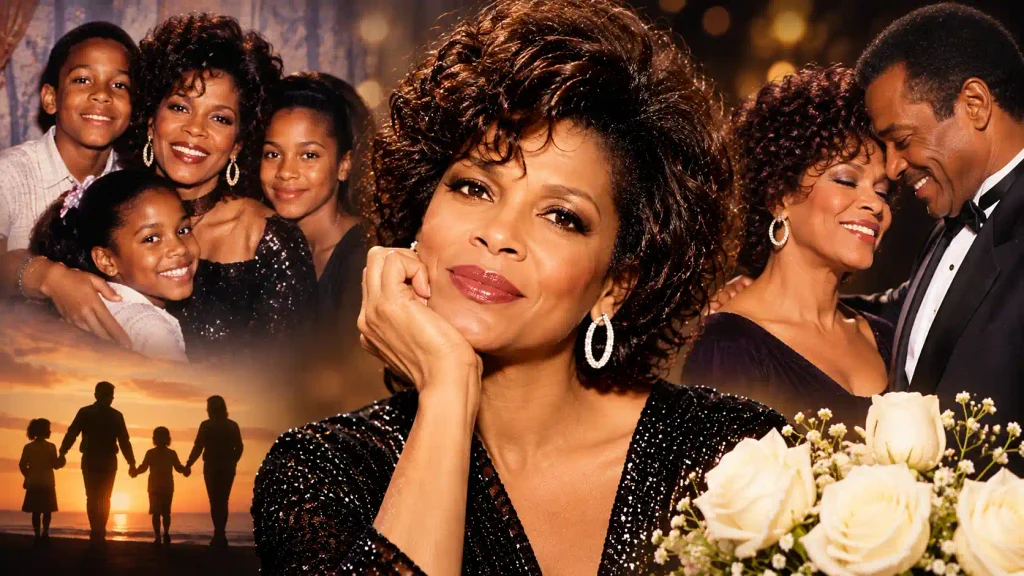
Rochelle Fleming maintained a relatively private personal life despite her public career as a singer.
Most available biographical information focuses on her musical achievements, performances, recording projects, and relationships within the music industry.
Her longtime manager, George Iz Correia, was closely associated with her professional life and announced her death on behalf of her family in November 2026.
Fleming was also remembered by her church community in Philadelphia. Christian Hope Baptist Church shared a tribute describing her connection with the congregation and her participation in church singing.
Information about her husband, children, and wider family relationships has not been consistently documented in reliable public biographies. Therefore, unverified online claims should not be treated as established facts.
Her personal legacy, like her musical career, is remembered through the people who knew her and the audiences who appreciated her voice.
Rochelle Fleming’s Death: What We Know About Her Passing
Rochelle Fleming died on November 5, 2026, in Philadelphia, Pennsylvania, at the age of 72.
The news was announced by her longtime manager, George Iz Correia, who shared a statement on behalf of the Fleming and Finney family.
The announcement described her as someone who brought happiness, laughter, and love to the people around her. It also said that arrangements to celebrate her life would be announced later.
Her death prompted tributes from music organizations, former colleagues, and fans who appreciated her contribution to soul and disco.
BMG, which represents part of First Choice’s music catalogue through Salsoul, recognized her extraordinary voice and the influence of the group’s recordings on dance music.
The Philadelphia church community also remembered her connection with its congregation and her singing performances.
As of November 10, 2026, her cause of death has not been publicly disclosed. It is therefore important to distinguish confirmed information from speculation.
How the Music Industry Remembered Rochelle Fleming
Following news of her death, tributes highlighted both her musical talent and her personal qualities.
BMG recognized her contribution to Philadelphia soul and disco, particularly through recordings such as “Doctor Love,” “Love Thang,” and “Let No Man Put Asunder.”
Her church community also shared memories of her singing and connection with Philadelphia.
Other musicians and members of the dance music community remembered her as an influential vocalist whose recordings continued to bring people together.
These tributes demonstrate that Fleming’s importance was not limited to her original chart success. Her voice became part of a wider musical culture that continued developing through remixes, sampling, and reinterpretations.
Rochelle Fleming’s Musical Achievements and Lasting Legacy
Rochelle Fleming’s greatest achievement was helping create recordings that remained relevant long after their original release.
As the lead vocalist of First Choice, she contributed to the popularity of Philadelphia soul and the rise of disco during the 1970s.
Her career included several important milestones:
- Co-founding First Choice in Philadelphia in 1971.
- Helping the group achieve a breakthrough with “Armed and Extremely Dangerous” in 1973.
- Contributing to successful recordings including “The Player (Part 1),” “Smarty Pants,” and “Doctor Love.”
- Recording “Let No Man Put Asunder,” a track that became influential in house music.
- Continuing her career through solo dance releases and later musical projects.
- Inspiring later performers and producers through the continued use of First Choice recordings.
Her influence can still be heard in modern dance music, where producers regularly revisit classic soul and disco recordings for inspiration.
The continued popularity of First Choice’s catalogue also shows how important the group’s music became to club culture.
Fleming’s voice remains an essential part of that history. Her recordings provide a connection between the Philadelphia soul movement of the 1970s and the dance music styles that developed in later decades.
Frequently Asked Questions About Rochelle Fleming
Who was the lead singer of First Choice?
Rochelle Fleming was the lead singer and a founding member of First Choice, a Philadelphia-based soul and disco group formed in 1971. Her powerful vocals helped the group achieve recognition through songs such as “Armed and Extremely Dangerous,” “The Player (Part 1),” and “Let No Man Put Asunder.”
What made Rochelle Fleming famous outside the disco era?
Her influence continued through house music, DJ remixes, sampling, and later interpretations of First Choice recordings. “Let No Man Put Asunder” became particularly important to dance music audiences, while “Love Thang” reached newer listeners through Kaytranada’s music.
How old was Rochelle Fleming when she died?
Rochelle Fleming was 72 years old when she died on November 5, 2026, in Philadelphia, Pennsylvania.
What happened to Rochelle Fleming’s group after 1980?
First Choice’s original run ended around 1980. However, its music continued circulating through reissues, remixes, and club performances. Fleming also remained involved in music and participated in later projects connected to the group.
Did Rochelle Fleming sing on Let No Man Put Asunder?
Yes. Fleming’s powerful lead vocals were central to First Choice’s original recording of “Let No Man Put Asunder,” which appeared on the 1977 album Delusions.
Why did Mary J. Blige cover Let No Man Put Asunder?
The Song’s emotional message and memorable musical arrangement made it suitable for a new R&B interpretation. Mary J. Blige recorded a version for her 1999 album Mary, helping introduce the composition to a different generation of listeners.
Was Rochelle Fleming still active in music before her death?
She remained connected to the music industry through later recordings, dance music projects, and performances. Her work continued to attract attention through the popularity of classic First Choice songs and their influence on modern dance productions.
What is the difference between Rochelle Fleming and Renée Fleming?
Rochelle Fleming was an American soul and disco singer best known for First Choice. Renée Fleming is a different American singer internationally recognized for her opera and classical music career. They are associated with different musical genres and careers.