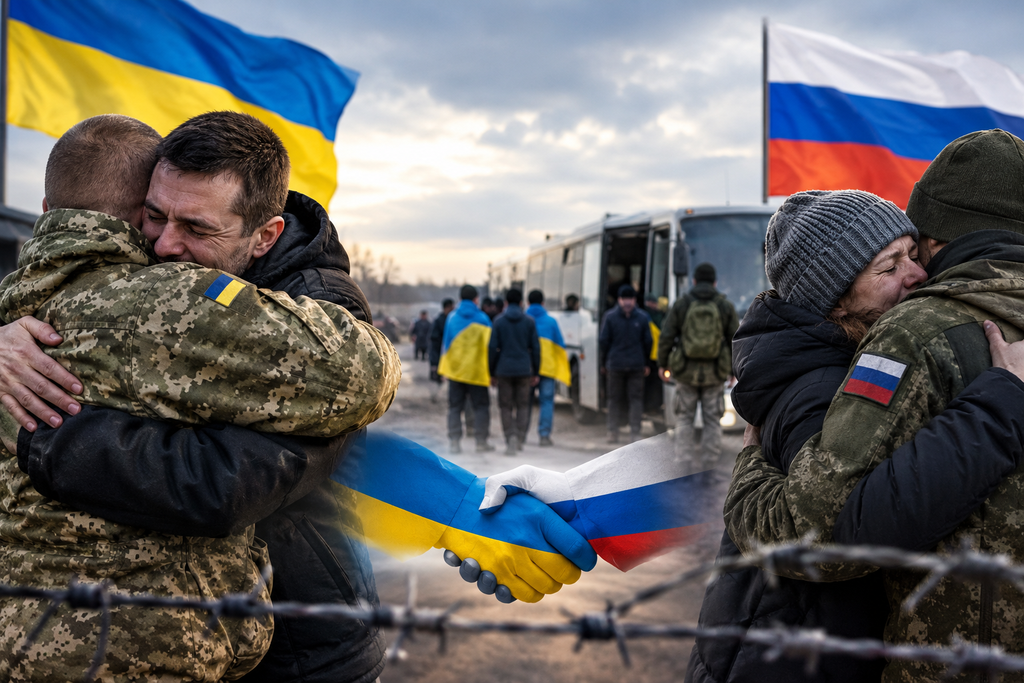
The latest prisoner exchange news is drawing attention as Ukraine expects a new major swap with Russia in the coming week. The possible prisoner exchange 2026 could return more captured soldiers to their home countries.
Kyrylo Budanov, head of the Office of the President of Ukraine, said on September 27, 2026, that a major prisoner exchange could take place as early as next week. He did not give an exact date or confirm how many people could be involved.
The announcement comes as the Russia Ukraine war continues and both sides remain involved in talks about the return of people held during the conflict.
https://indianstimes.com/
Latest Prisoner News From Ukraine
The latest prisoner news comes from Kyiv, where Ukrainian officials have indicated that another military prisoner exchange may happen soon.
Budanov said Ukraine expects progress on the issue in the coming days. However, the final date and number of people involved have not been announced.
This means the possible prisoner swap should not yet be treated as a completed exchange.
Officials still need to complete the final arrangements before prisoners returning home can be confirmed.
Ukraine Russia Prisoner Exchange Could Happen Soon
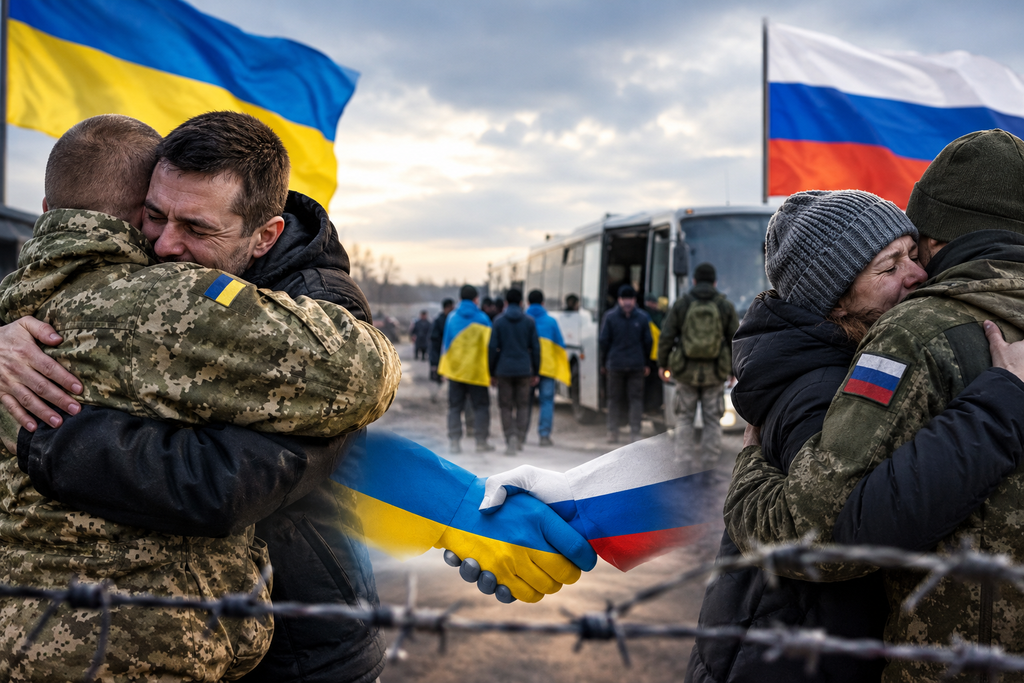
The possible Ukraine Russia prisoner exchange would be another major humanitarian development in the ongoing conflict.
Previous agreements between Russia and Ukraine have allowed captured military personnel to return home. These exchanges have included Ukrainian prisoners and Russian prisoners held by the opposing side.
A new Ukraine prisoner exchange could provide another opportunity for families to reunite with relatives who have been held for months or longer.
The final details, however, remain unclear.
What Is a Prisoner Swap?
A prisoner swap is an agreement in which two sides return people held by the other side.
During the Russia-Ukraine conflict, these agreements have mainly involved prisoners of war. They can include captured military personnel who were taken during fighting near the front line.
A prisoner swap is different from a peace agreement. It does not mean that the war has ended.
Instead, it is usually a specific agreement focused on returning people held in captivity.
Previous Military Prisoner Exchanges
Ukraine and Russia have already completed several exchanges in 2026.
On June 26, Russia and Ukraine exchanged 160 prisoners from each side. The United Arab Emirates helped broker the agreement.
Another large-scale exchange took place on August 19. Ukraine and Russia exchanged 103 prisoners each, with the UAE again involved in mediation.
These earlier agreements show that military prisoner exchange arrangements remain an important part of the humanitarian discussions between the two countries.
The possible new exchange could add to the number of captured soldiers who have been returned since the start of the full-scale war.
How Many Russian and Ukrainian Prisoners Could Return?
There is currently no confirmed figure.
Ukrainian officials have not announced the number of Russian prisoners or Ukrainian prisoners who could be included in the possible exchange.
The number can also change during negotiations.
For this reason, reports about a large number of prisoners should be treated carefully until the governments involved release official information.
The final list could include soldiers captured during different stages of the conflict.
Why Is Prisoner Release Important?
A prisoner release can have a major effect on families.
For a family member waiting for a captured soldier, official confirmation of a return can bring important news after months of uncertainty.
Many families do not know when their relatives will come home. A confirmed release can therefore be one of the most important developments they receive during the war.
The humanitarian side of prisoner exchanges is also closely followed by international organizations.
Prisoners of War and Humanitarian Concerns
The treatment of prisoners of war remains an important issue in the Russia-Ukraine conflict.
Humanitarian organizations have repeatedly called for access to detainees and information about their condition.
The International Committee of the Red Cross has said that it has not been able to visit prisoners of war held in Russia since 2024.
This has added to concerns about access to detainees and the need for reliable information about people held during the conflict.
The issue is separate from domestic criminal justice systems, where people may receive prison sentences or spend years in prison. Prisoners of war are held because of their status in an armed conflict, not simply because they received a criminal sentence.
Russia Ukraine War Keeps Prisoner Exchanges in Focus
The Russia Ukraine war continues to shape discussions about prisoners.
Fighting along the front line, attacks involving Russian drones, and military operations have created new risks for soldiers on both sides.
The Russian military and Ukrainian forces continue to operate in different areas of the conflict, while governments and mediators work on humanitarian issues.
The United States has also remained involved in wider diplomatic efforts linked to the conflict. President Donald Trump and other U.S. officials have discussed efforts related to ending the war and encouraging negotiations.
However, a prisoner exchange should be viewed separately from broader negotiations over the future of the conflict.
What Happens Next?
The next step will be an official announcement about the possible exchange.
If the agreement moves forward, officials may provide details about the date, location and people involved.
For now, Ukraine has indicated that a major prisoner exchange 2026 could happen soon. The exact timing and number of prisoners remain unknown.
Families and the public will likely look for confirmation from Ukrainian and Russian authorities before treating the exchange as final.
The vast majority of information about a future exchange should therefore be checked against official statements and reliable news reports.
Frequently Asked Questions
What is a prisoner exchange?
A prisoner exchange is an agreement in which two sides return people held by the other side. In the Russia-Ukraine war, these agreements often involve prisoners of war and captured soldiers.
When could the next Ukraine Russia prisoner exchange happen?
Ukrainian officials said on September 27, 2026, that a major exchange could happen as early as the following week. No exact date has been confirmed.
How many prisoners could be released?
The number has not been officially confirmed. The final figure may change as Ukraine and Russia complete their negotiations.
What is a prisoner release?
A prisoner release means that a person held in captivity is freed. In a military exchange, people may be released and returned to their own country.
Who are the Ukrainian prisoners?
The term Ukrainian prisoners can refer to Ukrainian military personnel held by Russian forces during the conflict. The exact status of individual detainees can vary.
Who are the Russian prisoners?
Russian prisoners can include Russian military personnel held by Ukraine after being captured during fighting.
Why are prisoners returning home important?
Prisoners returning home can reunite soldiers with their families. It can also provide a humanitarian channel between countries involved in a war.
Is the prisoner exchange confirmed?
Ukraine has indicated that it expects a major exchange soon, but the final date and number of people involved have not yet been confirmed.
What is the prisoner exchange 2026?
The term prisoner exchange 2026 refers to prisoner swaps taking place during 2026. Several exchanges between Ukraine and Russia have already taken place this year.